

Introduction to Finding Properties for Development
Finding the right property can make or break a development before a shovel hits the ground.
Australia’s property market is competitive, rules-heavy, and full of hidden pitfalls. For aspiring developers, success depends on spotting sites with genuine potential, understanding the zoning and regulatory landscape, and lining up financing that stacks the odds in your favour.
This guide provides a practical roadmap for finding development-ready properties, assessing sites, and planning your project with confidence.
Zoning and Regulations
Zoning dictates what, where, and how much you can build. Overlooking this vital step can derail a project before it even starts.
Importance of Zoning
Zoning laws are not uniform. They differ widely across councils and states. They include classifications, which define what uses a site can accommodate, and overlays, which layer on extra controls for heritage, flooding, bushfire risk, or environmental protection. A property that looks promising on paper can become unworkable once overlays are considered.
Pro Tip: Engaging a planning consultant or property lawyer at this stage can save time and money, helping you interpret zoning rules accurately and avoid costly surprises.
Navigating Local Councils
Local councils are the gatekeepers to development approval. Early engagement can clarify constraints, timelines and risks before money is committed. Effective ways to engage councils include:
- Attending council or planning meetings to observe development discussions.
- Seeking preliminary advice on rezoning or planning pathways.
- Establishing contact with planning officers or community engagement teams.
Identifying Suitable Properties
Once the zoning fundamentals are in place, the search for a viable site begins. This stage requires structured research rather than speculation.
Research and Analysis
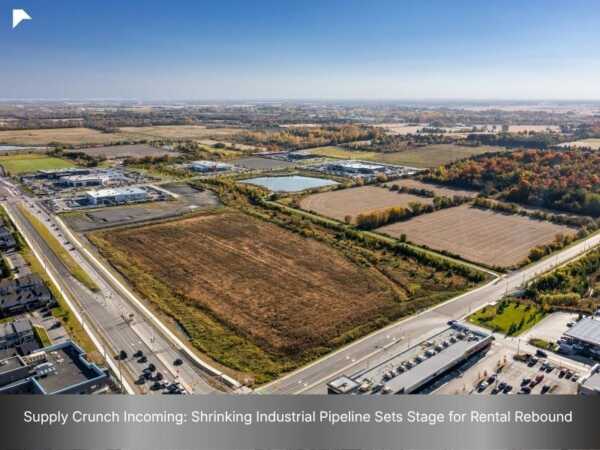
Effective site sourcing combines traditional research with modern data tools. Online platforms such as DevelopmentReady and local planning portals allow users to track zoning, recent approvals and nearby activity. Filtering sites by zoning compatibility, size and access to amenities can help narrow the field.
Key Factors in Site Evaluation
Not all land is worth developing. When assessing potential sites, focus on three critical factors:
- Infrastructure and Accessibility: Existing roads, utilities, and services reduce upfront costs and make approvals smoother.
- Neighbourhood Amenities: Proximity to schools, transport, retail, and parks can drive buyer demand and boost end values.
- Market Trends: Look at population growth, employment patterns, and property price trajectories to gauge whether demand will exist when the project is complete.
Financing Your Project
Securing finance is one of the most important steps in any development. The right funding structure helps manage costs, maintain cash flow, and set realistic expectations for returns, while poorly planned finance increases risk and erodes profits.
Understanding Financing Options
Developers today have several pathways:
- Traditional Bank Loans: Often offer the lowest interest rates, but require strong credit, collateral, and a well-documented project plan.
- Private Equity: Flexible for larger or complex builds, but investors usually expect a share of profits.
- Government Grants and Incentives: Some councils provide financial support for projects that deliver community benefits, such as affordable housing or sustainability upgrades.
Creating a Financial Plan
A robust financial plan accounts for every stage, including delays or unexpected costs. Key steps include:
- Estimate total project costs, including contingency buffers.
- Map expected revenue, exit strategy, and timelines.
- Review and adjust assumptions as conditions evolve to stay on track.
Pro Tip: Engage an accountant or financial adviser experienced in property development to help you model cash flow, validate assumptions, and structure funding appropriately.
Sustainability Practices in Development
Sustainability is both smart business and smart practice. Eco-friendly projects reduce running costs, attract buyers, and can increase long-term value.
Importance of Sustainable Development
Green building practices save money and appeal to environmentally conscious buyers. Features like energy-efficient appliances, sustainable materials, and smart design can make your development stand out.
Attracting Buyers with Eco-Friendly Options
Sustainability works best when it’s visible, measurable, and marketable:
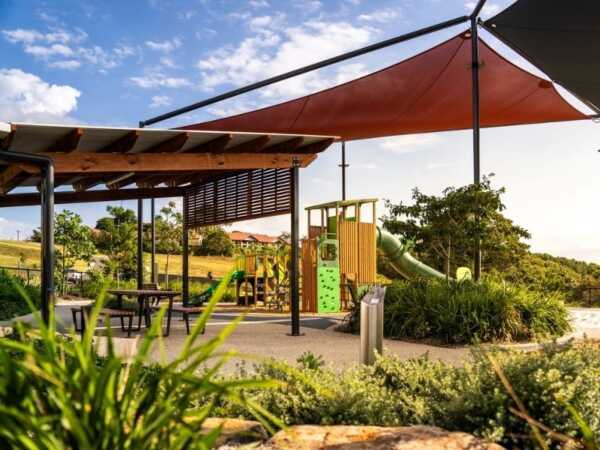
- Shared green spaces that encourage community engagement.
- Energy-efficient systems that reduce utility costs.
- Case studies highlighting successful sustainable developments to demonstrate real-world benefits.
Done well, sustainability supports ethics and economics in equal measure.
The Final Word
Property development is complex, but the fundamentals are clear: spot the right site, know the rules, plan your funding, and work with professionals.
For first-time developers, keep these essentials in mind:
- Zoning: Know the classifications and overlays inside out.
- Council Engagement: Attend meetings, ask questions, and build relationships with planning officers.
- Site Evaluation: Consider infrastructure, neighbourhood amenities, and market trends.
- Financing: Compare all options, plan for contingencies, and model realistic returns.
- Sustainability: Incorporate visible, practical, eco-friendly features that add value.
Professional Advice: Engage planners, legal experts, and financial advisors early to avoid costly mistakes and streamline approvals.
Preparation, strategic insight, and professional guidance give new developers the best chance of turning opportunity into a profitable, successful project.